Origins of Life Series
How did life start on our planet? Before the earth cooled from its fiery beginnings, there had to be a moment when a critical mass ensued. When light and particles and organic matter combined to create the first cells.
Did these elements come from the deepest vents in the Mariana trench thousands of feet below the ocean where hot steam rises from the ocean floor? Are we and all life a product of volcanic activity emanating from the magma core of the earth?
The earliest known life forms on Earth are putative fossilized microorganisms found in hydrothermal vent precipitates. The earliest time that life forms first appeared on Earth is unknown. They could have lived earlier than 3.77 billion years ago, possibly as early as 4.28 billion years ago. Not long after the oceans formed 4.41 billion years ago, and not long after the formation of the Earth 4.54 billion years ago. The earliest direct evidence of life on Earth are microfossils of microorganisms permineralized in 3.465-billion-year-old Australian Apex chert rocks.
On 26 May 2016 ingredients regarded as crucial for the origin of life on Earth were discovered on the comet that the European Space Agency’s Rosetta spacecraft has been probing for almost two years. Scientists have long debated the important possibility that water, and organic molecules were brought by asteroids and comets to Earth after it cooled following its formation, providing some of the key building blocks for the emergence of life.
While some comets and asteroids are already known to have water with a composition like that of Earth’s oceans, Rosetta found a significant difference at its comet. New results reveal that comets had the potential to deliver ingredients critical to establish life as we know it, like amino acids, which are biologically important organic compounds containing carbon, oxygen, hydrogen and nitrogen, and form the basis of proteins.
Now, Rosetta has made direct, repeated detections of the amino acid glycine in the fuzzy atmosphere or ‘coma’ of its comet. Another exciting detection made by Rosetta is of phosphorus, a key element in all known living organisms. For example, it is found in the structural framework of DNA and in cell membranes, and it is used in transporting chemical energy within cells for metabolism.
The paintings in this series were inspired by these recent scientific discoveries.
7.5% of the proceeds of every sale will be donated to the Multiple Myeloma Research Foundation.
-
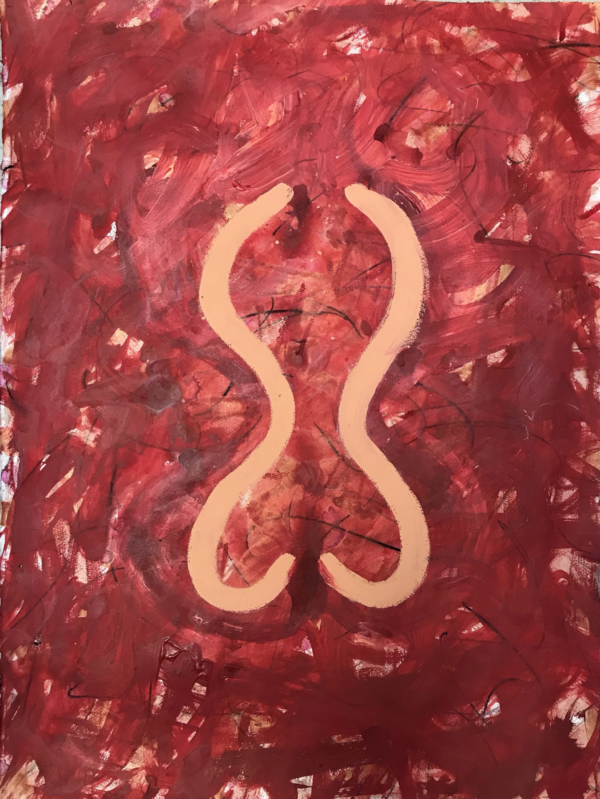
Homage to MAN RAY’s “Violon d’Ingres” (1924)
Four strings across the bridge, Ready to carry me over, Over the quavers, drunk in the bars, Out of the realm of the orchestra, Out of the realm of the orchestra. Filling me up with the shivers. Filling me up with the shivers and quivers. Filling me up with the shivers. Get the bow going! Let it scream to me…..
- Violin, Kate Bush -
-
-

-

Back view of the ‘Aphrodite of Knidos’ marble sculpture created by Praxiteles of Athens around the 4th century BC (and no longer exists).
When Aphrodite saw the artwork Aphrodite at Knidos, she said….”Alas! Where did Praxiteles see me naked?” — Plato, Epigram XVII…..
Her name is Aphrodite and she rides a crimson shell And you know you cannot leave her for you touched the distant sands With tales of brave Ulysses, how his naked ears were tortured By the sirens sweetly singing The tiny purple fishes run laughing through your fingers And you want to take her with you to the hard land of the winter.
- Tales Of Brave Ulysses, Cream -

L’Origine du Monde apres Courbet
We oughta have a birthday party And you can wear you birthday clothes We can hit the floor And go explore those Popsicle toes You got the nicest North America This sailor ever saw I’d like to feel your warm Brazil And touch your Panama.
- Popsicle Toes, Michael Franks -

Krakatoa 4 of 6
Been out in the wild Been out in the night Been out of your mind Do you live here or is this a vacation.
- Volcano, U2 -

Martian Sunset Lockdown May 2020 II
Let it fade to black Let me run my fingers down your back Lets whisper, let’s don’t talk Baby, leave my T-shirt in the hall Like a needle finds a groove, Baby, we’ll remember what to do To drown out every distraction, It’s time we made it happen.
- Strip It Down, Luke Bryan -

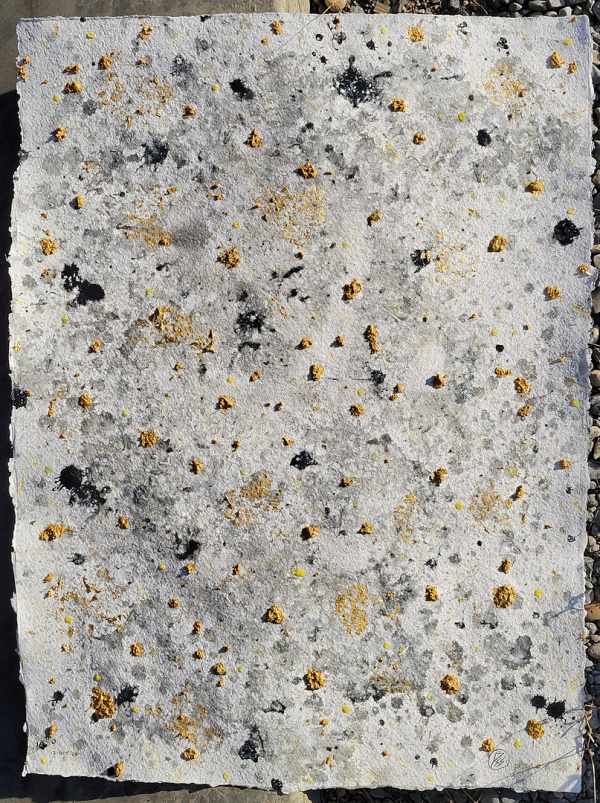
ALH 85085 (from the Sub-Group Series Carbonaceous Chondrite Hemolithin)
Life can never be exactly like we want it to be I could be satisfied knowing you love me But there’s one thing I want you to do especially for me And it’s something that everybody needs Each night before you go to bed, my baby Whisper a little prayer for me, my baby And tell all the stars above.
- Dedicated to the One I Love, The Shirelles -

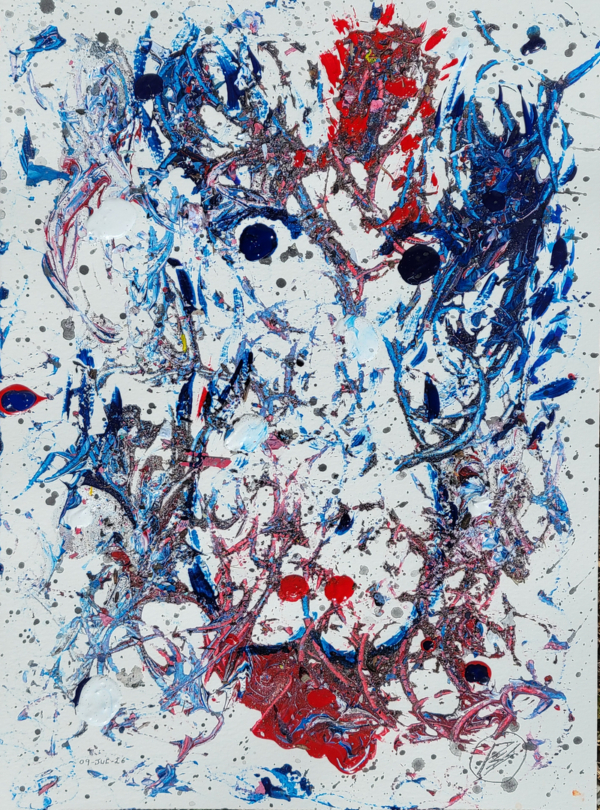
Al Rais (from the Sub-Group Series Carbonaceous Chondrite Hemolithin)
It’s been a mystery And still they try to see Why somethin’ good can hurt so bad Caught on a one-way streets The taste of bittersweet Love will survive somehow, some way One love feeds the fire One heart burns desire Wonder who’s cryin’ now Two hearts born to run Who’ll be the lonely one Wonder who’s cryin’ now So many stormy nights So many wrongs or rights Neither could change Their headstrong ways And in a lover’s rage They tore another page The fightin’ is worth The love they save.
- Whose Cryin' Now, Journey